
"Bolivia coffee production"
600 article(s) found

Characteristics of Bolivian coffee beans in Yonggas-Karanabi Inquisi area, Bolivia
For more information about coffee beans, please follow the coffee workshop (Wechat official account cafe_style). Our partner in Bolivia Coffee is Pedro Rodriguez and the Agricafe established by his son Pedro Pablo and daughter Daniela. Agricafe can be said to be an important driving force in reviving Bolivia's boutique coffee industry.

Flavor Description of Bolivian Coffee Taste Variety Production Area Treatment Manor Introduction
Bolivian coffee has the advantage of high altitude and excellent coffee varieties, where traditional iron pica and a small amount of kadura are highly valued on the world market. Coffee trees used to be planted around gardens as hedges and ornamental plants in Bolivia. Real commercial production from 20

Bolivian coffee flavor Bolivian coffee characteristics Bolivian coffee taste
Bolivia is a landlocked country in central South America, bounded by Brazil in the northeast, Paraguay in the southeast, Argentina in the south, Chile in the southwest and Peru in the west. The main topography is the plateau. Bolivia is the highest plateau country in the world, with an average elevation of more than 3000 meters. La Paz, the capital, is as high as 3660 meters above sea level, which is known as the highest capital in the world. Three points in Bolivia

The producer of boutique coffee beans introduces Bolivian coffee.
In the past, coffee trees in Bolivia used to act as hedges and ornaments around the garden. Real commercial production began in the early 1950s. The coffee industry in Brazil was seriously damaged by the great frost in 1975, while Bolivia (Bolivia) benefited from it and developed rapidly. The origin of Bolivian coffee: Bolivian coffee at an altitude of 180 Muhami 670 meters.

Basic knowledge of boutique coffee Bolivian coffee
In the past, coffee trees in Bolivia used to act as hedges and ornaments around the garden. Real commercial production began in the early 1950s. The coffee industry in Brazil was seriously damaged by the great frost in 1975, while Bolivia (Bolivia) benefited from it and developed rapidly. The origin of Bolivian coffee: Bolivian coffee at an altitude of 180 Muhami 670 meters.

Global Coffee producing area-Bolivian Coffee Market
In the past, coffee trees in Bolivia used to act as hedges and ornaments around the garden. Real commercial production began in the early 1950s. The coffee industry in Brazil was seriously damaged by the great frost in 1975, while Bolivia (Bolivia) benefited from it and developed rapidly. The origin of Bolivian coffee: Bolivian coffee at an altitude of 180 Muhami 670 meters.

Origin, characteristics and Market of Bolivian Coffee
In the past, coffee trees in Bolivia used to act as hedges and ornaments around the garden. Real commercial production began in the early 1950s. The coffee industry in Brazil was seriously damaged by the great frost in 1975, while Bolivia (Bolivia) benefited from it and developed rapidly. Bolivian coffee producing area: Bolivian coffee is 670 meters above sea level.

Coffee knowledge Coffee origin Bolivia
Coffee trees used to be planted around gardens as hedges and ornamental plants in Bolivia. Real commercial production began in the early 1950s. Brazil's coffee industry was badly damaged by the 1957 frost, but Bolivia benefited from it and grew rapidly. Bolivian coffee is grown at an altitude of 180 to 670 meters, with Arabica

Coffee small farmers in Lake Titicaca, Bolivia
The advantage of Bolivian coffee lies in its high altitude and excellent varieties of coffee, where the traditional Tibica and a small amount of Kaddura are highly valued in the world market. In the past, coffee trees in Bolivia used to act as hedges and ornaments around the garden. Real commercial production began in the early 1950s. The great frost in 1957 seriously damaged Pakistan.

Boutique single Coffee Lake Titicaca in Bolivia tapping Pagabana small Farmer's Iron Card cooked beans
The advantage of Bolivian coffee lies in its high altitude and excellent varieties of coffee, where the traditional Tibica and a small amount of Kaddura are highly valued in the world market. In the past, coffee trees in Bolivia used to act as hedges and ornaments around the garden. Real commercial production began in the early 1950s. The great frost in 1957 seriously damaged Pakistan.

Bolivian Snow vein Manor Coffee Grinding degree, taste and flavor description manor introduction
The advantage of Bolivian coffee lies in its high altitude and excellent varieties of coffee, where the traditional Tibica and a small amount of Kaddura are highly valued in the world market. In the past, coffee trees in Bolivia used to act as hedges and ornaments around the garden. Real commercial production began in the early 1950s. The great frost in 1957 seriously damaged Pakistan.
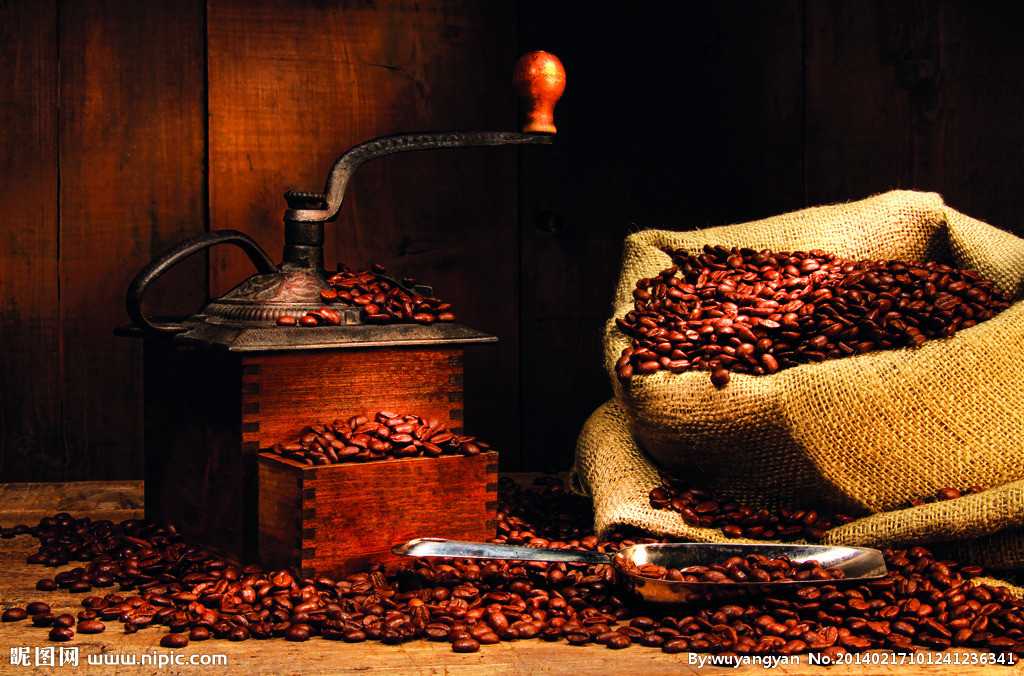
The overall rich taste of Bolivian coffee varieties taste manor boutique coffee bean flavor introduction
Bolivia is a landlocked country in central South America, bounded by Brazil in the northeast, Paraguay in the southeast, Argentina in the south, Chile in the southwest and Peru in the west. The main topography is the plateau. Bolivia is the highest plateau country in the world, with an average elevation of more than 3000 meters. La Paz, the capital, is as high as 3660 meters above sea level, which is known as the highest capital in the world. Three points in Bolivia

Bolivian Coffee | planting History of Bolivian Coffee beans _ introduction of Bolivian Coffee Variety producing areas
The history of coffee cultivation in Bolivia is very rare. From the only literature, we can see that a large number of coffee beans were produced in Bolivia in 1980. Bolivia's coffee growing environment is very excellent. Bolivia is a landlocked country. It has a high altitude and the climate is divided into dry and wet seasons.

Introduction to the characteristics of high-quality coffee beans in the manor producing area of Bolivian coffee varieties
Coffee was really commercially produced in Bolivia in the 1950s (at first coffee trees were planted around homes as fences), but the coffee industry grew rapidly in a very short time. This is partly due to the impact of the Brazilian frost in 1975, when Brazil's coffee industry was hit hard, and Bolivia's coffee industry took advantage of the opportunity to develop rapidly. The coffee is mellow.

Bolivia | Caranavi producing area Esso Coffee Farmers' Association European rules traditional washing of extremely hard beans SHB wind
Professional coffee knowledge exchange more coffee bean information please follow the coffee workshop (Wechat official account cafe_style) Bolivia | Esso Coffee Farmers Association (God's Love processing Plant) European traditional washed very hard beans SHB flavor? The Bolivian Coffee production Alliance (Federation of Coffee Export), which has made repeated achievements in improving Bolivian coffee quality and international visibility in recent years.

The characteristics and flavor of the story of Java coffee beans in the alpaca manor of Bolivia in the new production season in 2020.
Professional coffee knowledge exchange more information about coffee beans Please follow the coffee workshop (Wechat official account cafe_style) Bolivia is one of the most difficult growing areas in the world, transportation and climate are the biggest problems. After a special relationship of origin and cooperation this year, we strongly recommend friends who love alpine coffee with rich flavors such as cherry fruit, cream, chocolate and caramel.

The overall rich flavor, characteristics, taste and manor introduction of Bolivian coffee
Bolivia is a landlocked country in central South America, bounded by Brazil in the northeast, Paraguay in the southeast, Argentina in the south, Chile in the southwest and Peru in the west. The main topography is the plateau. Bolivia is the highest plateau country in the world, with an average elevation of more than 3000 meters. La Paz, the capital, is as high as 3660 meters above sea level, which is known as the highest capital in the world. Three points in Bolivia

Bolivian coffee flavor, character, taste and estate introduction
Bolivia is a landlocked country in central South America, bordered by Brazil in the northeast, Paraguay in the southeast, Argentina in the south, Chile in the southwest and Peru in the west. The main terrain is plateau. Bolivia is the highest plateau country in the world, with an average altitude of more than 3000 meters. The capital La Paz is 3660 meters above sea level and is known as the highest capital in the world. Three points in Bolivia

The overall flavor is rich, Bolivian coffee flavor, characteristics, taste and manor introduction
Bolivia is a landlocked country in central South America, bounded by Brazil in the northeast, Paraguay in the southeast, Argentina in the south, Chile in the southwest and Peru in the west. The main topography is the plateau. Bolivia is the highest plateau country in the world, with an average elevation of more than 3000 meters. La Paz, the capital, is as high as 3660 meters above sea level, which is known as the highest capital in the world. Three points in Bolivia